
A Plea
Sobriety, recovery, and stigma in opioid addiction

I’m wrapping up an intake interview with Michael, a 37-year-old man who’s come to our clinic for a routine follow-up appointment. We’ve reviewed his medical and surgical history, his medications and allergies. “And what drugs have you used?” I ask casually, hoping it comes off as naturally as my questions about his diet and exercise. He smiles wryly. “It’d be easier if I told you which drugs I haven’t used,” he shoots back before clarifying, with enthusiasm, “but I’ve been sober for two years.” The smile flickers and goes out. “Well, except for Suboxone.”
At the time of my writing, there are three FDA-approved medications that doctors use to treat opioid use disorder: methadone, buprenorphine (brand formulations include Suboxone), and naltrexone. Methadone and buprenorphine have the strongest evidence for saving lives, with studies to date suggesting that folks taking either medication are about half as likely to die compared with folks not on the medication over the same period of time. There’s also evidence that these medications reduce drug use, improve overall health, and help folks stay in treatment. In the midst of the largest opioid epidemic in human history, you’d think that’d be something to celebrate.
So why is Michael ashamed? And is he sober?
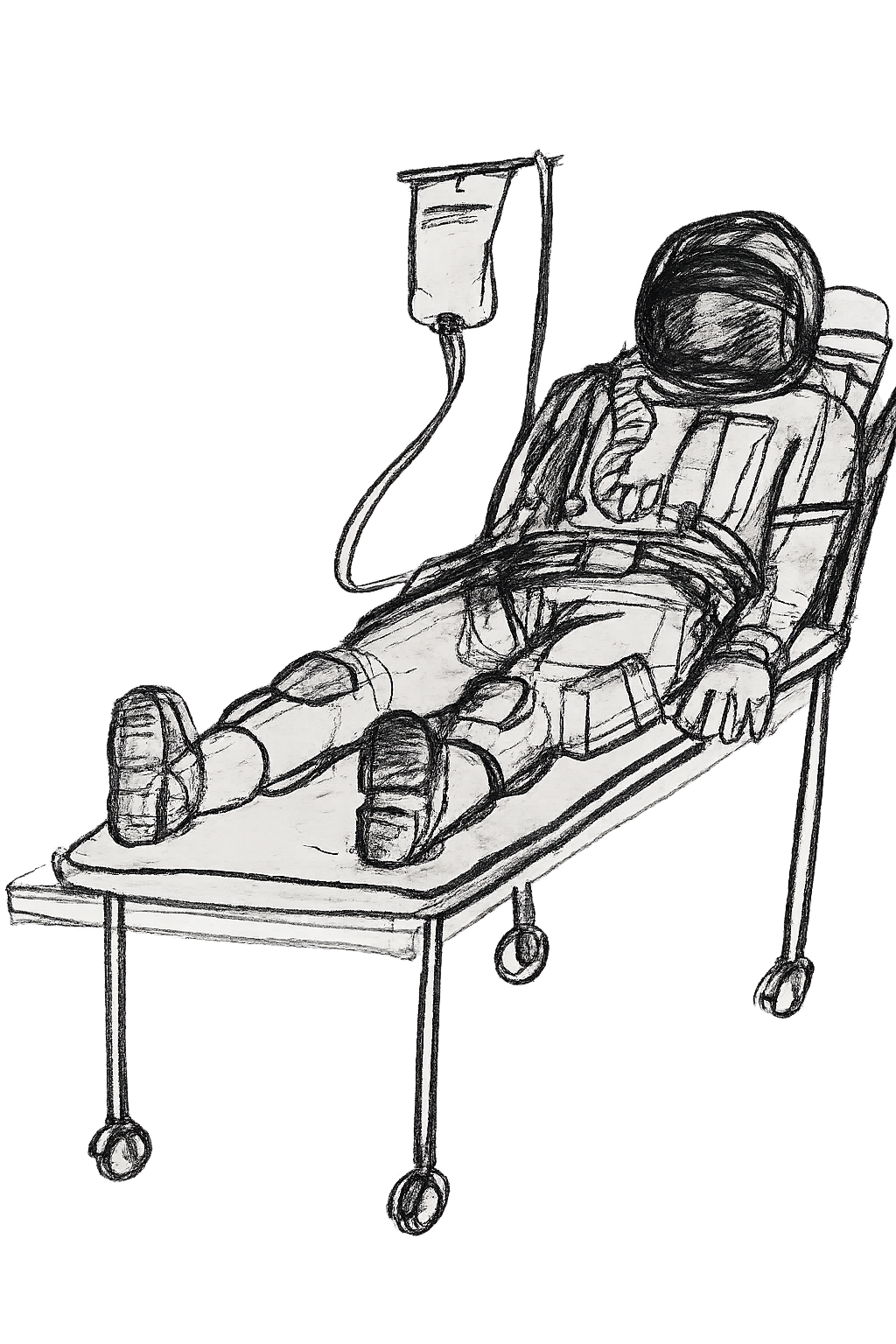
For context, opioids include a broad range of medications that relieve pain by acting on receptors in our brains and spinal cords—and they aren’t all nefarious. The ancient Greeks and Mesopotamians recognized the power of the poppy seed thousands of years ago, having used opium to treat pain and induce sleep. In the 19th century morphine was isolated from opium, kicking off the modern pharmaceutical era, spurred on further by the invention of the hypodermic syringe (legend has it the inventor’s wife overdosed on morphine). Since then, chemists have developed semi-synthetic and synthetic opioids in an effort to create safer, more effective painkillers: heroin (so much for “safer”), hydromorphone (morphine x5), hydrocodone (still widely used), oxycodone (part of OxyContin, the one that arguably precipitated our current epidemic), methadone (invented by German chemists, now used to treat opioid addiction), fentanyl (the one that’s responsible for most overdoses), tramadol (some antidepressant properties), buprenorphine (the one you needed a special waiver to prescribe, until 2023; also used to treat addiction), and several others.
So yes, buprenorphine and methadone are opioids, just as heroin and fentanyl are opioids. Is this why Michael isn’t sure if he’s sober?
It’s true that all opioids have some general properties in common. Your body is made of organs which are made of tissues which are made of cells. Many of the cells that make up the organs that are your brain and spinal cord (called “neurons”) have receptors on their ends that help determine their overall function. Some of the receptors that opioids activate can reduce your sensitivity to pain and even induce euphoria (the high) while slowing your breathing. Why do we have these weird receptors? Though we’ve been using opioids for millenia, we only started to understand their mechanism in the 1970’s with the discovery of endorphins (meaning “the morphine within”). You’ve probably heard that your body releases endorphins when you’re running, maybe contributing to the “runner’s high.” Taken together, this strange pairing of effects might actually help explain why these receptors have stuck around for so long: when our ancestors were done running for their lives from all those tigers or whatever, perhaps the “reward” of pain relief, euphoria, and breathing regulation conferred a survival advantage, allowing for the genes responsible for the involved receptors to be passed on and selected for… or something like that. Whatever the story might be, the fact remains that we have these receptors that, once activated, have predictable (and predictably attractive) effects. People use drugs for reasons.
Okay. So Michael used to be addicted to one opioid (heroin) and is now just addicted to a different one (buprenorphine), right? This is one of the core arguments against both buprenorphine and methadone as “treatments” for opioid addiction.
But as anyone who’s used both heroin and buprenorphine can tell you, not all opioids feel the same. While it’s true that they all interact with at least one common subtype of opioid receptor, how they interact with that receptor can vary wildly, and some interact with other receptors as well. Heroin’s “addictive” properties are partly a consequence of how it’s metabolized; while our brain is particularly good at screening out toxins, heroin is able to bypass these barriers, slipping in quickly and precipitating the “rush” that many users crave. Once it’s in the brain, though, it’s maybe more similar to morphine, in which case our question becomes: how do morphine (the hospital painkiller) and buprenorphine (the treatment) differ?
To avoid some complicated biochemistry, here’s my oversimplified analogy: opioids are billiard balls on a pool table. The pockets are different types of receptors; to activate each receptor’s properties (e.g., pain relief, euphoria, respiratory depression), the ball has to get in the pocket. Some balls fully activate the pocket (”agonists”), some only partially (”partial agonists”), and some occupy it without activating it, blocking other balls entirely (”antagonists”). Each ball has a different stickiness that determines how hard it is to displace as well as a different greasiness that determines how quickly it reaches the pocket. Faster balls make for bigger impacts. Morphine and especially fentanyl are greasy balls that reach the pocket quickly and fully activate it, inducing an intense high and slowing your breathing, contributing to their reputations for addiction and danger. Buprenorphine is stickier and only partially activates the pocket, allowing it to displace fentanyl and morphine and limit their effects while establishing a built-in ceiling (i.e., no activation past a certain dose), which explains why it’s so much harder to fatally overdose on (though not impossible, especially when mixed with sedatives). It also blocks a different pocket that produces dysphoria and acts as an anti-reward system, which may help explain why it can improve mood and ease the emotional distress of addiction. And if you overdose on fentanyl or heroin, hopefully someone is around to spray naloxone into your nose, which briefly displaces those balls and blocks the pockets, restoring your breathing—saving your life at the cost of instant and potentially severe withdrawal. Fentanyl overdoses may require higher or repeated doses, but naloxone can save your life if paired with medical care, as it already has for tens of thousands of Americans to date—including Michael.
So, for the last time, and with all this in mind: is Michael sober?
I personally would offer a resounding yes. Buprenorphine and methadone may be opioids, but neither the classification of a substance nor its associated tolerance and withdrawal is sufficient to distinguish a benign habit from a harmful addiction. By this definition, most Americans would be “addicted” to the stimulant known as caffeine, and yet we aren’t arresting coffee bean roasters or setting up a parallel multimillion-dollar rehab industry to boot, so long as they’re functioning well. The pursuit of a universally accepted definition of addiction that includes and excludes all the habits that we intuitively do or do not recognize as such is probably futile. To this end, then, the question of sobriety might not be the right question in the first place.
Instead, let’s try asking a different question: is Michael in recovery?
Michael shares that when he was using heroin, his life was in shambles. His wife left him, he lost custody of his children, and he was living on the streets. He made several attempts at abstinence that ended in near fatal overdoses. But since getting started on buprenorphine, Michael has been more able to engage with therapy and stay abstinent from other drugs, enabling him to both land and keep a job, to reunite with his family, and to rededicate himself to his faith. Whatever his reservations about identifying as “sober,” Michael is clear and consistent in his identity as a person “in recovery.” Perhaps this is because recovery is a concept that transcends our semantic debates regarding abstinence, sobriety, and the merit of various habits. If we think of recovery as something akin to flourishing, then, I would argue, Michael is certainly in recovery.
And yet, the stigma persists. To this day, Michael remains barred from participating in some support groups because he’s not sufficiently “sober” or “abstinent” according to their narrow and inevitably inconsistent definitions. At the time of my writing, only about one in four Americans with opioid use disorder receives medications like buprenorphine or methadone. (I recently worked with a patient using heroin who told me he would not try methadone because it’s a Nazi drug used to control the masses.) Nearly half of people who would benefit from treatment don’t perceive that they would, and more than half of residential treatment centers in the US don’t even offer these medications. Perhaps even more disturbingly, about three in four Americans say they wouldn’t want to work with someone diagnosed with opioid use disorder—a level of social exclusion on par with schizophrenia.
In some ways, we as a society are caught in our own addiction, a self-perpetuating cycle of shame and blame: patients are ashamed to seek help, doctors are hesitant to prescribe treatments, and communities resist the clinics that might save their neighbors’ lives. In the midst of this mess we’ve made, it may seem remarkable that folks find their way to recovery at all.
All this to say—Michael, congratulations on your recovery. I hope you flourish.
This reflection is a continuation of my 15-part series on faith and addiction, with each piece corresponding to a song on my album Rotations. You can listen to the record here.